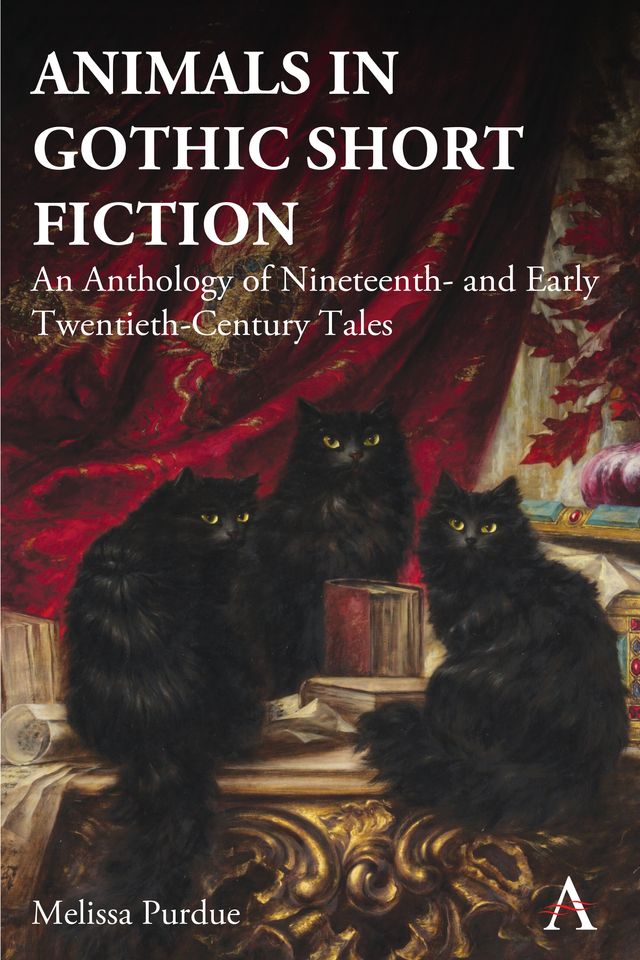
Gothic monsters are often hybrid human-animal creatures. There are vampires that can change into bats, the creations of Dr. Moreau, shapeshifting beetles, and humans who transform into werewolves. Other “monsters,” while not hybrids, are often described using animal imagery as well—consider Hyde in Stevenson’s The Strange Case of Dr. Jekyll and Mr. Hyde or Heathcliff in Wuthering Heights. These animal connections are well-documented in Gothic studies, as are the cultural anxieties they represent. This anthology shifts our focus to stories that feature actual animals and their interactions with humans. While human-animal hybrid monsters like vampires and werewolves can inspire fear and disgust, actual animals function differently in Gothic literature, often highlighting the monstrosity of humans instead. This collection of short stories features 19th and early 20th-century gothic tales about animals and their interactions with humans. These animals sometimes enact revenge upon immoral characters (as in Edgar Allen Poe’s “The Black Cat” and Bram Stoker’s “The Squaw”), give voice to colonial anxieties (as in Matthew Lewis’s “Anaconda”), highlight gendered violence (as in Edith Wharton’s “Kerfol” and Alice Perrin’s “The Tiger-Charm”), and reveal characters’ true intentions (as in Arthur Conan Doyle’s “The Brazilian Cat”). Animals in Gothic literature alternately elicit horror, provoke compassion, enact righteous revenge, and push readers to think about “humanity” in new ways. This collection focuses on seventeen Gothic short stories featuring cats, rats, snakes, horses, and birds.