

Eleanor Reynolds
ISBN: 9781801360623
Pages: 200
Pub Date: February 2027
Imprint: Anthem Press
Reveals how eighteenth-century ghost hunting developed scientific methods later used by Victorian psychical researchers, highlighting women’s significant role in documenting paranormal experiences and offering perspectives often absent from male-dominated historical science.
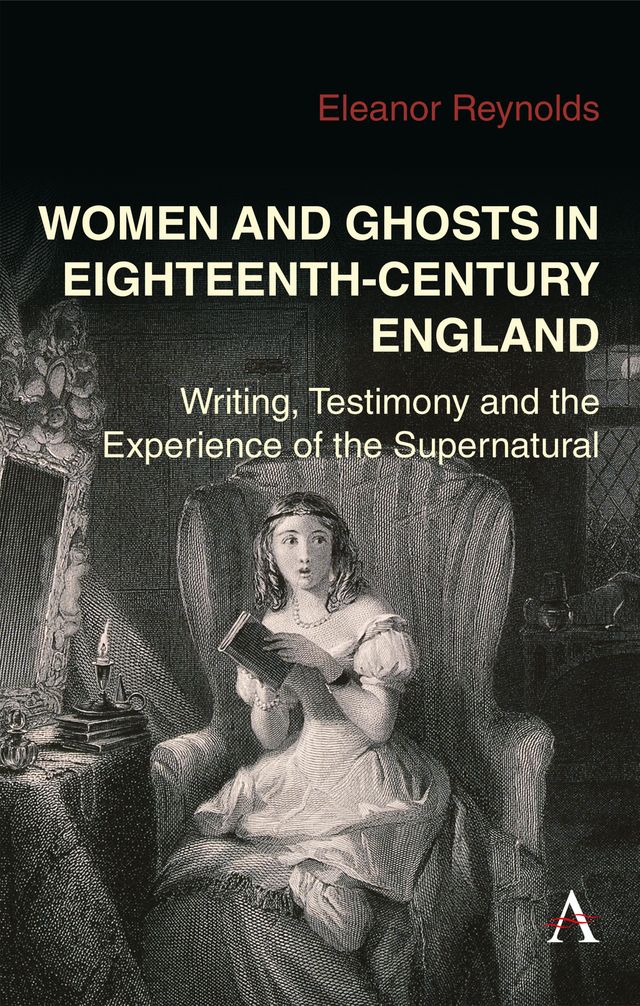
Women and Ghosts in Eighteenth-Century England examines the role of women in the recording of paranormal experiences in Britain in the second half of the long-eighteenth century. It covers different methods of recording – diary-keeping, dictation of testimonials, newspaper interviews and story-collection – and analyses the language used by women to describe paranormal experiences.
The book covers three case studies: the surviving diary of Mary Ricketts detailing the haunting of her family at Hinton Ampner in Hampshire in 1764–1771, the recorded testimonies of women interviewed during the haunting of the Syderstone parsonage in the 1830s and the media storm that centred on the involvement of 12-year-old Elizabeth Parsons in the Cock Lane poltergeist case of the 1760s. The book also discusses the lasting legacy of the work of Catherine Crowe, who collected stories of ghostly experiences and investigated the authenticity of these cases in her book The Night Side of Nature (1847). Crowe stressed the importance of scientific investigation into incidents which, according to her, were not supernatural but perfectly possible, and her book served as a handbook to Victorian psychical researchers and their forms of investigation which we are familiar with today.
In considering a time when hauntings were more readily believed, the book discusses three questions. First, if the records of ghostly experiences are faked, does the narrative seem more plausible if it is claimed to be a woman’s account rather than a man’s? Second, if the records are honest accounts of strange experiences, what are the normal (rather than paranormal) reasons behind them, and are women more likely to be deceived than men? Third, if the records are honest accounts of true paranormal experiences, are women more easily contacted by ghostly phenomena than men? In the eighteenth-century, paranormal research was a valid branch of science and one where women’s voices were most readily heard.