

Carsten C.Schermuly
Paperback
£25.00 / $35.00
Hardback
£80.00 / $120.00
eBook (WEB PDF)
£25.00 / $35.00
eBook (EPUB)
£25.00 / $35.00
ISBN: 9781839999680
Pages: 202
Pub Date: October 2026
Imprint: Anthem Press
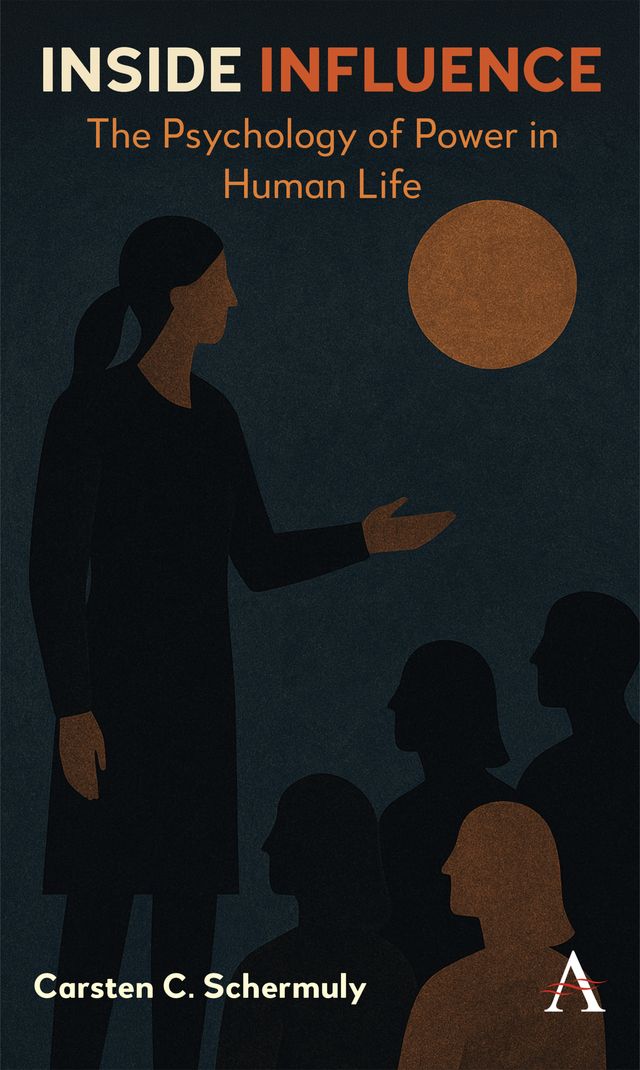
Explores the psychology of power, showing how it shapes behaviour and leadership, and offers a research-based framework for engaging with power ethically, responsibly and for the common good.
In an era marked by uncertainty, polarisation and rapid change, growing numbers of people are placing disproportionate amounts of power in the hands of a few people. This trend reflects a widespread longing for strong, authoritative leadership, particularly in times of crisis, yet it also exposes a dangerous paradox: While power can provide stability and direction, it can just as easily distort judgement, encourage impulsive behaviour and erode empathy. Research consistently shows that power can act like a drug, producing feelings of euphoria, confidence and invincibility that make it both attractive and deeply addictive. These effects help explain why those who gain power often struggle to relinquish it, and why even well-intentioned leaders may undergo a troubling psychological transformation once they ascend to positions of power.
Carsten C. Schermuly argues that the solution is not to reject power but to understand it more clearly. His book is a call for a more mindful, transparent and responsible engagement with power across all areas of life, within personal relationships, organisations and society as a whole. By drawing on insights from psychological research, he illustrates the many layers through which power operates: the personal resources that grant individuals influence; the biological and neuropsychological changes that occur when power is gained or lost; and the shifts in perception, cognition and behaviour that can accompany power.
Schermuly also explores why certain individuals rise to power in organisational contexts, how power can corrupt decision-making and which structural conditions can help reduce its negative side effects. He highlights the importance of psychological empowerment as a healthier, more sustainable alternative to traditional top-down authority. Rather than relying on concentrated control, organisations can cultivate distributed power structures, improved leadership selection processes, and cultures that reward responsibility over dominance.
Importantly, this book is not a manual for acquiring power or manipulating others. Instead, it reveals how power manipulates us and shapes our actions, identities and vulnerabilities. By acknowledging and understanding these mechanisms, individuals and organisations can prepare more effectively for the challenges of leadership. Ultimately, Schermuly offers a research-based framework for using power ethically, constructively and for the benefit of the common good.